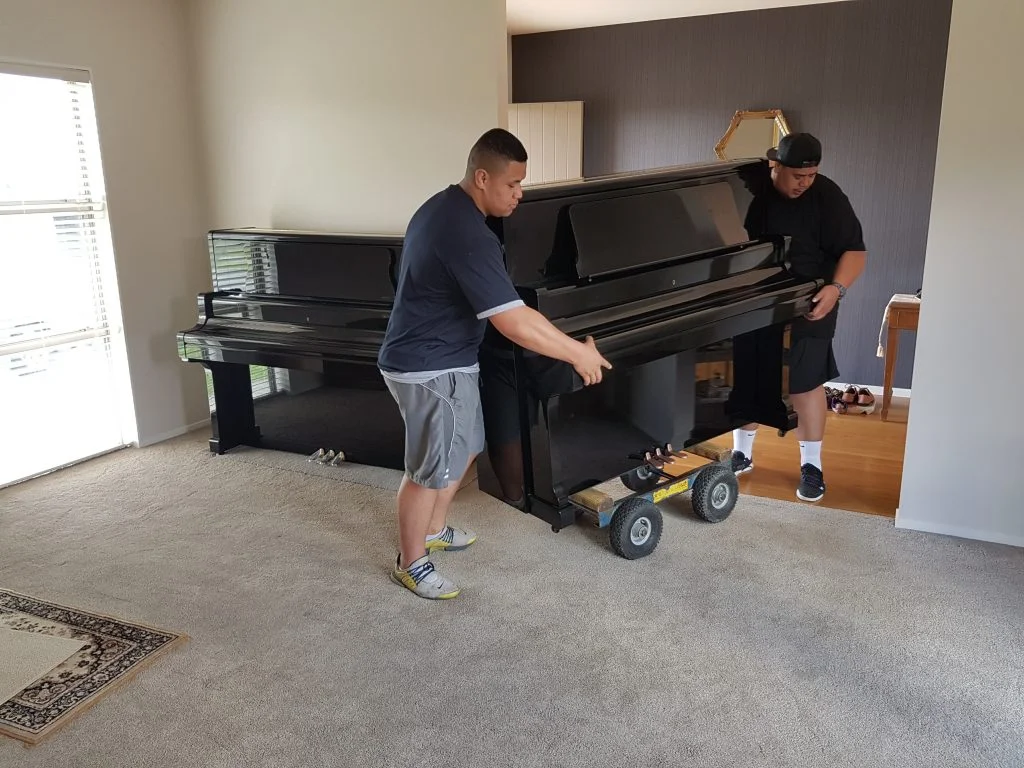
Moving a piano isn’t just about preparing to move a piece of furniture; it is also about carrying a lot of emotional weight. Your piano could be the one you learned to play, the one your kids practiced on, or a centrepiece in your home that becomes the most attractive thing when your friends gather!
So, when something goes wrong and an insurance claim is rejected, it can feel deeply upsetting and inconvenient.
Let’s walk you through the most common reasons for insurance rejection for your grand piano removal with empathy, clarity, and practical guidance so you feel informed and not overwhelmed.
When you hire experts for grand piano removal, you expect it to be wrapped carefully and handled with respect. The insurance companies often look at packing through a much stricter lens.
If professional-grade packing methods were not used, such as skid boards, reinforced padding, and secure strapping, insurers may reject the claim. They can argue that the piano was not well protected, even if the damage is clearly accidental.
This is not about blaming you. Most people do not know what insurers consider “proper”. What helps is asking movers ahead of time how they pack grand pianos and requesting that this be documented. That small step can spare you a lot of stress later.
It is entirely understandable to assume that experienced movers can handle a piano. After all, they move heavy items every day. The problem is that grand pianos are a category of their own.
Insurance claims are often rejected when the movers are not piano specialists. Insurers may say the risk was avoidable if trained professionals had been used. Hearing that after the fact can feel unfair, especially if the movers assured you they were capable.
You are not wrong for trusting people. You can ask direct questions about piano-specific experience and insurance coverage to help protect both your instrument and your peace of mind.
This one stings!
If your piano already had minor wear and tear that was not documented, insurers may label new damage as pre-existing and deny the claim.
This does not mean they think you are being dishonest. It means they rely heavily on paperwork and proof. Taking clear photos before the move and noting any existing marks or issues creates a record that works in your favour.
Think of it as advocating for yourself and your piano, not as an accusation or a hassle.
Many people are shocked to learn that some insurance policies do not cover damage during loading, unloading, or transport. You may have assumed removal was included, and that assumption is very human.
Insurance wording can be confusing and emotionally exhausting to read. Still, this is one area where clarity matters. Asking specifically about “in-transit” coverage before the move can save you from disappointment later.
You deserve to know precisely what you are protected against.
Grand pianos are sensitive instruments. Sudden changes in temperature, humidity, or exposure to rain can cause severe damage. An insurer may reject the claim if they deem the piano’s environmental protection inadequate.
Such damage is not always obvious on moving day, especially when things feel rushed. Asking how weather and climate risks will be managed is not being picky. It is being careful with something that matters to you.
After a move, you are often tired, distracted, and just relieved that it is over. You might not notice damage right away. Sadly, delayed reporting is a common reason claims are denied.
Most policies have strict timeframes for reporting issues. Inspecting the piano as soon as it is placed, even if it feels uncomfortable or rushed, can make all the difference.
This step is not about mistrust. It is about protecting yourself while everything is still fresh.
Being told “you’re fully covered” can feel reassuring in the moment. But if those assurances are not written into the contract, they often carry little weight in a claim.
Insurance companies rely on documents, not conversations. Asking for written confirmation of coverage details is not confrontational. It is a reasonable request when something so valuable is involved.
Insurance claim rejections for grand piano removal are rarely due to a single mistake. They usually come down to small details, misunderstandings, and easy-to-make assumptions.
If you take anything from this, let it be this. You are allowed to ask questions. You are allowed to slow down the process. And you are allowed to protect something that holds emotional and financial value.
Your piano has been there for you through many moments. Taking a little extra care during its move is one way to honour that connection and yourself, too.

We specialize in the movement of all piano’s, spa pools, pool tables, heavy machinery & furniture. We are well experienced in both… read more >>
© 2026 Fats Boys Ltd. All Rights Reserved.

 Call
Call