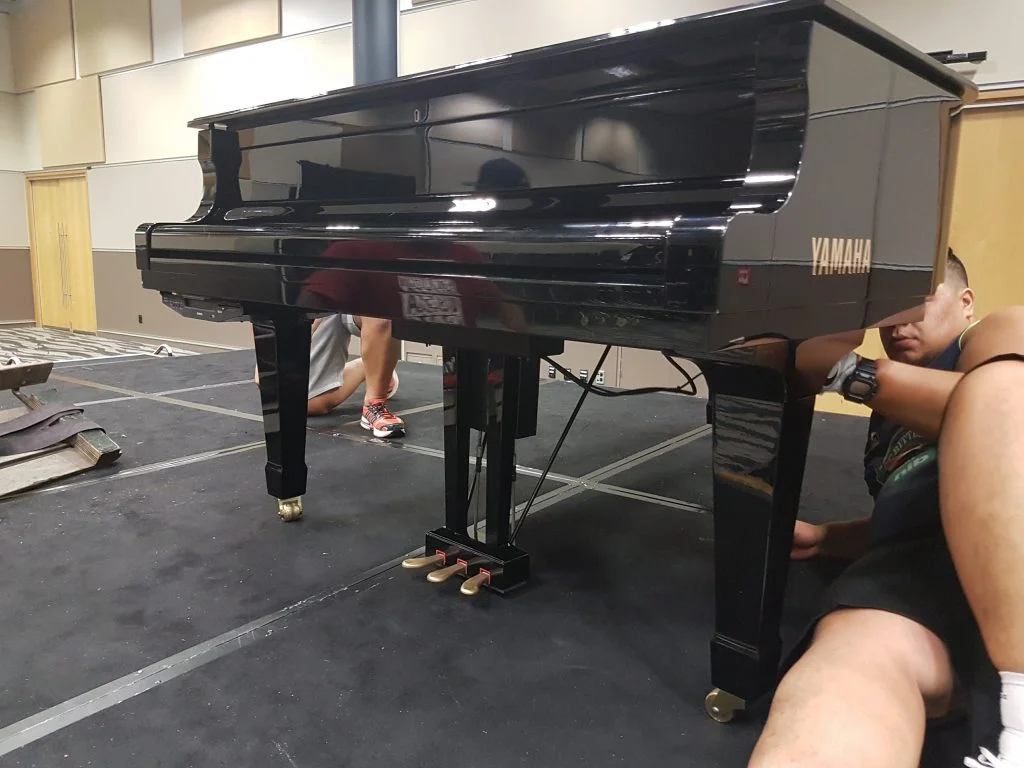
Both a digital piano and an acoustic piano have keys and produce music, but the similarities end there when it comes to relocation. An acoustic piano is a complex mechanical instrument built around heavy cast iron and hardwood, with hundreds of tensioned strings. A digital piano is a collection of sensors, circuit boards, and amplified speakers in a modular shell. Moving each one safely requires a completely different approach.
Understanding moving a digital vs an acoustic piano before the move begins is what separates an instrument that arrives in perfect condition from one that arrives damaged. For instruments of significant value or size, working with piano movers in Auckland removes the risk of underestimating what either type demands.
The physical difference between these two instrument types drives every handling decision.
The defining structural component of an acoustic piano is its cast-iron harp or plate, and the acoustic cast-iron plate weight accounts for a significant portion of the instrument’s total mass. Upright pianos typically weigh over 130kg and stand between 110 and 140cm tall. Grand pianos range from 1.4 to nearly 3 metres in length and can exceed 600kg.
The soundboard, bridges, and action mechanism are precision-calibrated components that respond to shock, vibration, and changes in position during transit.
Digital pianos contain no strings, soundboards, or hammers. They rely on weighted keybed sensors, circuit boards, amplifiers, and speaker systems to produce sound. Digital piano circuit protection during a move centres on preventing electrostatic discharge, moisture ingress, and mechanical shock to the sensor array and internal electronics.
The modular shell construction makes them significantly lighter than acoustic equivalents, but the internal components are vulnerable in ways acoustic instruments are not.
The weight and structural profile of each piano type determine the equipment and crew required.
Specialist piano movers NZ teams use heavy-duty dollies, piano boards, and load-rated rigging straps for acoustic instruments. Grand pianos require the removal of the legs and pedals before the body can be moved. Each removed component must be wrapped separately in moving blankets. Upright pianos are tilted onto a dolly without disassembly, but require a minimum of three people working in coordination. Grands require four or more.
Removing the keyboard unit from its stand before moving reduces the risk of stand joint failure and protects the chassis from flex stress. Anti-static wrapping around the unit protects the unit’s internal electronics from electrostatic discharge during handling. Padded carts rather than standard dollies provide better vibration isolation for the sensitive keyboard during transit.
Acoustic and digital pianos are sensitive to different environmental conditions during heavy instrument transit logistics.
|
Vulnerability |
Acoustic Piano |
Digital Piano |
|
Temperature and humidity |
High affects tuning and soundboard |
Moderate; affects the battery and displays |
|
Vibration and shock |
High; dislodges action parts |
High; damages sensors and circuit boards |
|
Positional sensitivity |
Critical; tilting sideways dislodges parts |
Low if electronics are protected |
|
Moisture exposure |
Damages soundboard, strings |
Damages circuit boards and speakers |
Tilting an acoustic piano sideways during transit can dislodge internal action parts. Acoustic instruments should always be transported upright or on a purpose-built piano board for grand transit.
Stairs represent the highest-risk phase of any piano move. For acoustic uprights, stair-climbing dollies with bracing systems are the correct equipment.
Grand piano components must be hand-carried on stairs after full disassembly, with each person assigned a specific grip point. Doorway measurements should be taken before moving day, allowing a 10-20mm clearance buffer beyond the piano’s actual width, including any wrapped padding.
Digital pianos are easier to carry up stairs due to their lower weight, but the keybed unit should always be carried rather than dragged, with the stand transported separately.
After an acoustic piano is positioned in its new location, it must acclimatise to the room’s temperature and humidity for several days before tuning. Most piano tuners recommend waiting at least a few days, with some preferring up to a week. Attempting to tune immediately after transit produces an unstable result because the instrument has not yet settled.
Digital pianos require no tuning but should undergo a full function test: checking each key across the full velocity range, testing all sound modes and connectivity ports, and confirming speaker output at both low and high volumes.
Generally, yes, provided the electronics are protected and the unit is padded against vibration. Check the manufacturer's guidance, as some models specify an upright transit position to maintain alignment of the internal speaker cone.
A minimum of three strong people is required for an upright. Grand pianos require four or more, with clearly assigned roles and a single person directing all movement.
Yes. Transporting a digital piano on its assembled stand risks stand-joint failure during transit vibration. Separating the keyboard from the stand allows each piece to be padded and secured independently.
Thick moving blankets are wrapped around the full piano body and each of the removed components. Blankets are secured with moving straps rather than tape to avoid finish damage, with corner protectors added at vulnerable edge points before strapping.

We specialize in the movement of all piano’s, spa pools, pool tables, heavy machinery & furniture. We are well experienced in both… read more >>
© 2026 Fats Boys Ltd. All Rights Reserved.

 Call
Call