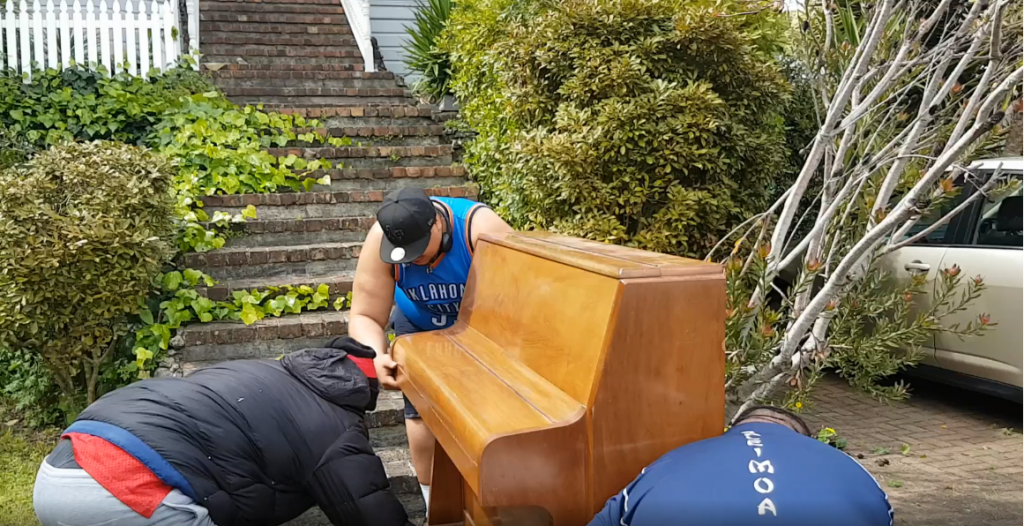
The room goes quiet when a piano needs to move. The weight, finish, and history are packed into polished wood and steel strings. One wrong move and the damage is permanent. Moving heavy items like pianos is not about brute strength. It’s about preparation, patience, and respect for the object. Let’s walk through how it is done properly.
Before you call experts for furniture removal in Auckland, remember that a piano is heavy but also awkward, unbalanced, and fragile in ways that aren’t obvious. Those narrow hallways, sharp turns, and floors that flex slightly under pressure.
Each step creates risk. Chips in walls. Cracks in tiles. Internal damage you cannot see until a key sticks or a string snaps. Heavy furniture and speciality items require a strategy, not muscle alone.
Before anything moves, stop and look. Ask simple questions:
This assessment dictates everything that follows. Skipping it leads to rushed decisions and costly mistakes.
A quick planning checklist:
Planning saves minutes, while repairs cost months.
You don’t improvise when moving a piano. The right equipment turns a risky lift into a controlled glide. Essential tools include:
Each tool does one job. Together, they protect both the item and the property.
The piano should look like it is ready for hibernation. Wrap every exposed surface. Secure the lid. Remove detachable parts when possible. Pedals, benches, and music stands travel separately.
The goal is quite straightforward. Nothing shifts, rubs, or is exposed.
This step often feels excessive, but it never is.
Damage doesn’t only happen to the item being moved. Heavy loads leave marks long after the move is done. Protect the environment:
When the path is protected, movers can focus on balance instead of obstacles.
Most damage happens during lifts. Pianos are designed to roll, slide or tilt slightly when supported correctly. Full lifting stresses bodies and creates instability.
Best practices:
If someone says, “Just lift it”, stop the process immediately.
Stairs turn a careful move into a technical operation. Weight shifts unpredictably. One misstep transfers force downhill fast. Stair movement rules:
If the staircase is narrow or steep, professional handling is not optional. It is essential.
You can feel experience in how a mover pauses before a turn. How do they test balance before committing? How do they adjust their grip without panic? Strength helps but experience prevents damage. Here’s a simple comparison:
| Approach | Result |
| Rushing with extra force | Scratches, dents, injuries |
| Slow, planned movement | Clean move, zero damage |
| Guessing angles | Wall and frame damage |
| Measured positioning | Smooth transitions |
Heavy items reward calm decision-making.
Most issues come from overconfidence. Avoid these errors:
Each mistake compounds the next. Damage rarely comes from a single action.
Some moves cross a line where DIY stops being practical. For instance, grand pianos, antique uprights, multi-level properties and tight staircases. These scenarios demand skilled handling and specialised equipment.
Professional movers do not guess. They follow the process, carry insurance, and know how to protect your item and your space without any fuss.
That’s something that holds more value than the service itself.
A piano does not forgive shortcuts. It remembers every bump, every escape, every rushed decision. Move heavy items with intention, protect the path, use the right tools, and respect the object.
When weight is handled with care, nothing breaks. Not the piano, not walls, not your shifting timeline.

We specialize in the movement of all piano’s, spa pools, pool tables, heavy machinery & furniture. We are well experienced in both… read more >>
© 2024 Fats Boys Ltd. All Rights Reserved.

 Call
Call