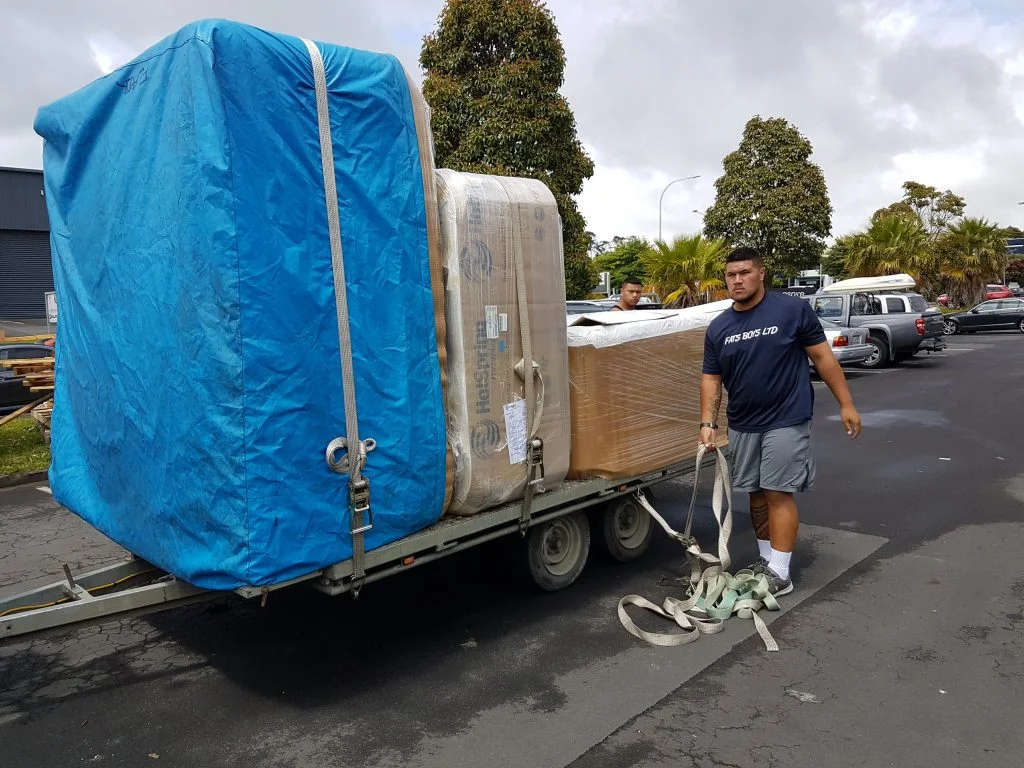
Moving antique furniture in Auckland calls for a different approach than shifting a flat-pack wardrobe or a modern sofa. Age, joinery, and finish all affect how a piece handles vibration, humidity, and handling, and getting any of these wrong can turn a minor bump into permanent damage.
Movers experienced with heavy and delicate items, such as Fats Boys, generally approach antique pieces with a different process altogether. This guide covers how to assess fragility, pack correctly, and navigate the tighter, older layouts common across Auckland homes.
Older furniture often relies on joinery methods, such as dovetails or hand-cut mortise-and-tenon joints, that weaken over decades of expansion and contraction. Veneer, inlay, and French polish finishes are especially vulnerable, since they can crack or lift under pressure that a modern lacquered surface would shrug off.
Solid timber pieces can also warp slightly out of true over the years, which means a wardrobe door or drawer that closes fine in one orientation may bind or jam once the piece is moved and reassembled. Before any move, check for loose joints, existing cracks, and any prior repairs, since these are the points most likely to fail under stress.
Specialist packing materials protect surfaces that standard moving blankets can’t. Acid-free tissue paper prevents chemical reactions with old varnishes, while breathable cotton wrapping prevents moisture from being trapped against wood that’s already sensitive to humidity changes.
Corners and carved details need extra padding, since these protruding sections take the most impact during loading and transit.
Heavy pieces, such as marble-topped tables or oak wardrobes, require mechanical assistance rather than manual lifting alone. Furniture dollies, ramps, and lifting straps distribute weight evenly and reduce twisting, which can stress old joints.
A team lifting in coordination, rather than each person taking whatever corner is closest, also keeps the weight balanced through turns and doorways. Vintage furniture relocation also benefits from a clear plan for each piece’s path out of the property, agreed before moving day, rather than worked out on the spot.
Older Auckland villas and character homes often weren’t built with modern moving equipment in mind, which creates specific challenges during a move.
Measuring doorways, stairwells, and corridor widths in advance avoids the risk of forcing a piece through a gap it doesn’t fit. Where a piece won’t clear a doorway, partial disassembly is often safer than trying to force it through.
Once loaded, pieces need to be strapped so they can’t shift during transit. Fine art movers typically use padded anchor points and non-slip flooring to prevent heavy or awkwardly shaped items from sliding into one another on the road.
Standard moving insurance often covers replacement cost rather than the sentimental or antique value of a piece, so it’s worth confirming what a policy actually pays out before the move.
Ask specifically whether valuations account for age, provenance, or restoration history, since these can matter more than raw material cost for a genuine antique. Heavy heirloom handling should also come with a clear damage-reporting process agreed upon before the move begins, which reputable movers such as Fats Boys typically outline upfront.
Fats Boys has spent years handling pianos, heavy furniture, and delicate items across Auckland homes, and that same care applies to antique and vintage pieces. Anyone comparing options can consider a specialist furniture movers in Auckland team’s experience with older properties and furniture as one factor to weigh alongside price and availability.
Not always. Dismantling is usually reserved for pieces that won't clear doorways or stairwells, since unnecessary disassembly increases the risk of losing or damaging original fittings.
Marble tops are typically removed from their bases, wrapped separately, and secured upright in padded crates or against anchor points to prevent cracking under load shifts.
Standard policies usually cover only replacement cost. An antique-specific cover or a specialist valuation is generally needed to protect a piece's true historical or sentimental worth.
Corner guards, careful angling, and sometimes partial disassembly reduce the risk of chipping. Measuring the staircase and furniture dimensions beforehand helps decide the safest approach.

We specialize in the movement of all piano’s, spa pools, pool tables, heavy machinery & furniture. We are well experienced in both… read more >>
© 2026 Fats Boys Ltd. All Rights Reserved.

 Call
Call